+237 655 726 217 (Cameroon – French)
Our mental state and our body are highly connected. Thus, if we get physically ill this will affect our mental health and, our mental wellbeing in turn will influence how well our body works. Even though feeling sad, scared or frustrated from time to time is normal and part of a normal life, those feelings can make us physically ill when they persist for a longer period. For instance, imagine a young woman that experienced a motor bike accident and is now always scared that such an accident can happen again. On the one hand, this will probably affect her behaviour in such a way that she might avoid situations of heavy traffic and, thus, restrain her everyday life. On the other hand, being exposed to stimuli that remind her of that accident are likely to cause stress which might lead to sleep disturbances, a loss of concentration and the weakening of her immune-system. This in turn makes her more exposed to any other physical disease. This is only one example illustrating the influence of mental health on physical wellbeing, but in fact there is no situation where this would not be the case. One always affects the other. According to the WHO, issues of mental health are among the top ten causes of disability (see here for the full article), a fact which makes mental health a crucial aspect of our health, our everyday functioning and our wellbeing in general.
Mental diseases are often stigmatised as something weird, unreal or something that the respective person can just decide to change. As a result, mentally ill people are often rejected by society, which will even increase the severity of their suffering.
Anything different from the average, such as people suffering from a mental disease, confront us with new and unknown patterns (concerning thoughts, feelings or behaviour) which, in turn, can be frightening and difficult to handle for all parties. This is especially the case when the origins of those different patterns are unknown. It is therefore all the more important to know that those different patterns are more common than one might believe, that they have a biological, environmental or psychological reason and that there are ways to deal with them. Thus, mentally ill people are as much of a victim of their illness and need as much help as a physically ill person would. They have no fault and have nothing to feel ashamed for.
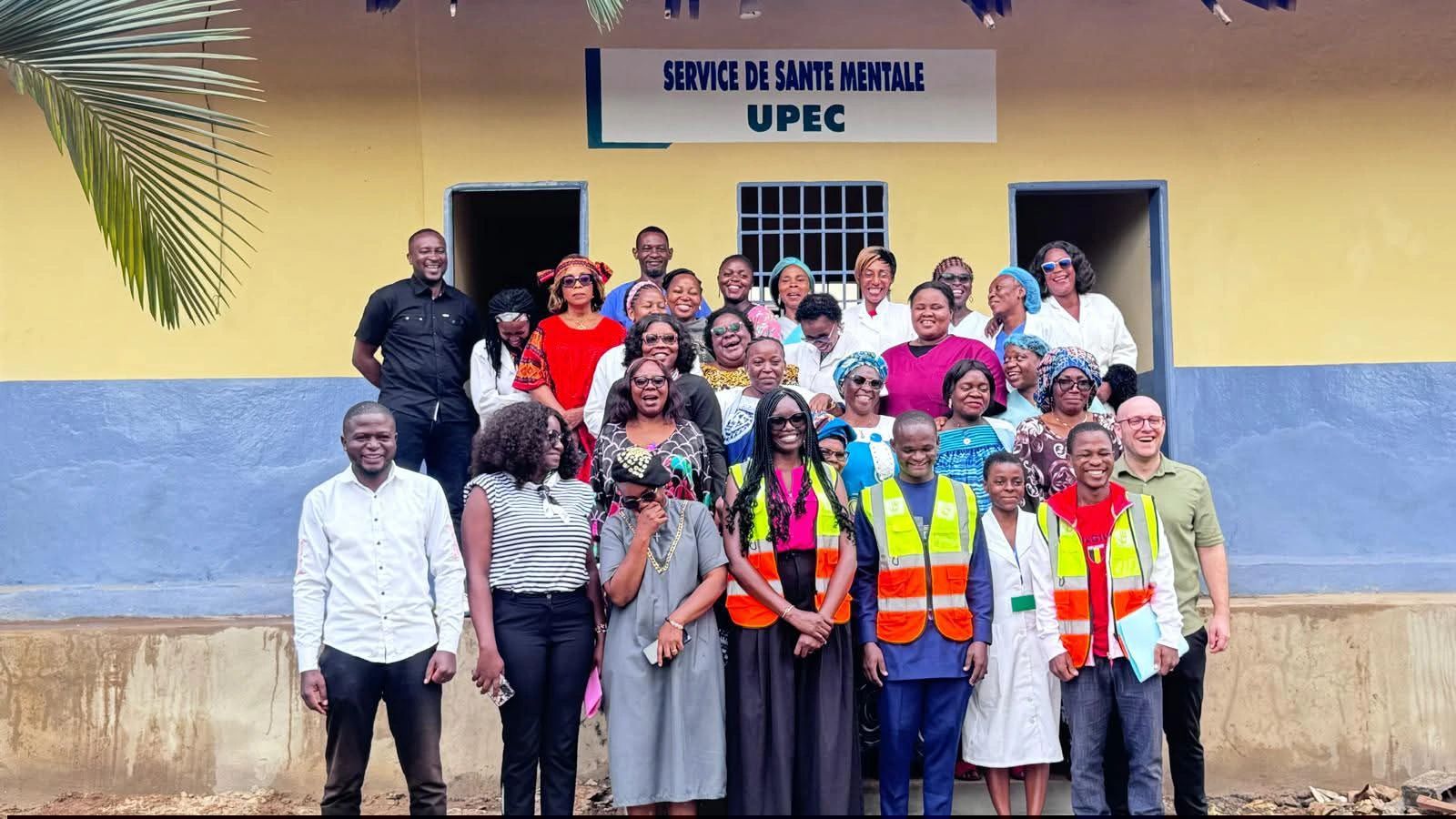
So far, the concept of mental health is hardly represented in the Cameroonian society. There are only a couple of clinics treating mental illnesses and the costs are not covered by a health insurance system. Even though personal experiences and intensive research indicate that mental illnesses are a frequent cause of extreme suffering in Cameroon most of the finances dedicated to public health are invested for physical diseases, such as aids and malaria. However, little is known about the number as well as the specificities of mentally ill people in Cameroon and, thus, fundamental research is needed to adequately respond to mentally ill people’s needs and to provide them with effective help. While traditional methods are common and neuroleptics (medicine acting on our mood and feelings) are slowly becoming more popular, psychotherapeutic approaches are still very rare. Those latter approaches deal with mental illnesses by developing a profound understanding of a specific mental illness as well as respective coping strategies.
Dr. Johnson is a mental health advocate and clinical psychologist with over 15 years of experience working in community outreach programs. She is passionate about raising awareness on mental wellness and providing support to underserved populations in Cameroon.
Claire N.
June 12, 2025 at 2:35 PMThank you for this initiative! Mental health is still too much of a taboo subject in our communities. Keep up the amazing work!
ReplyJean-Baptiste T.
June 13, 2025 at 9:20 AM
I attended one of your workshops at the Yaoundé community center. Very informative and well organized. Congratulations to the entire team.
ReplyLéa M.
June 13, 2025 at 10:10 AM
Yes, I was there too! I learned a lot, especially about the early signs of mental health disorders. Thank you for that moment.
Reply